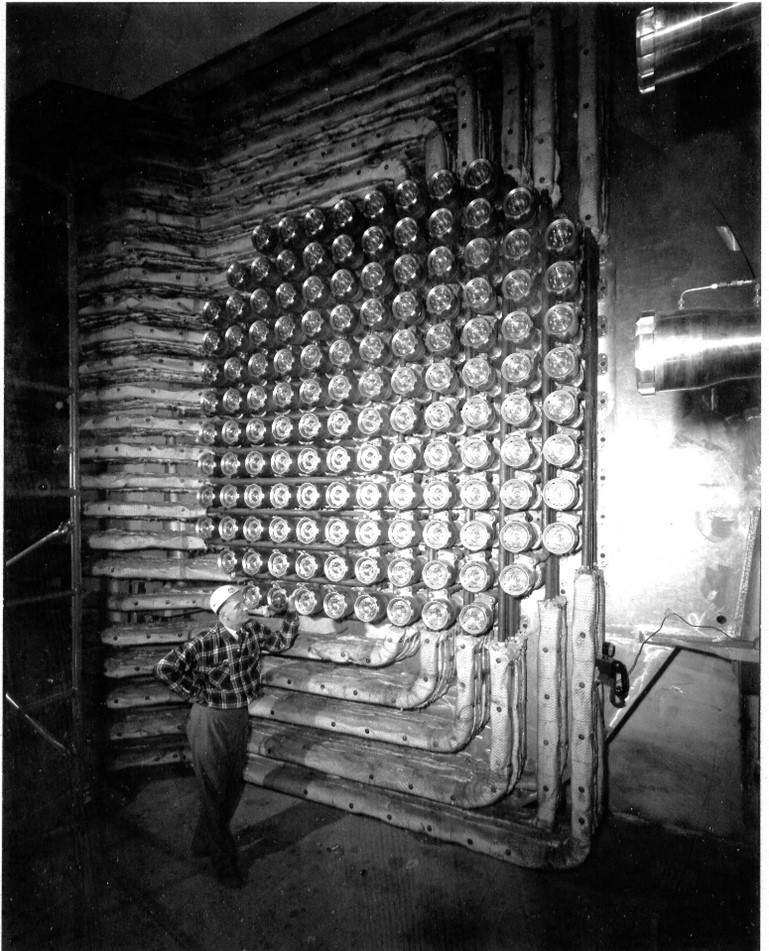
The 1952 National Research eXperimental (NRX) reactor accident is generally regarded as the world’s first...
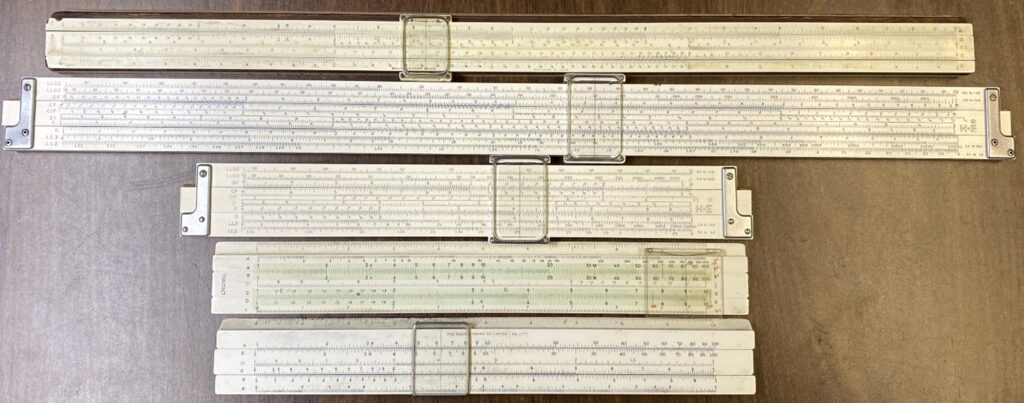
The history of the scientific slide rule, that important tool of almost all scientists and...
In addition to the collection of over 650 “physical artifacts” that the Canadian Nuclear Heritage...
Among the recent donations to the Canadian Nuclear Heritage Museum (CNHM) is a copy of...
An earlier Nuclear Heritage article in the NRT (August 21, 2024) contained a photograph of...
Several earlier articles in this series have touched on the role that computers have played...
In the 1950’s many countries were interested in using energy from nuclear fission to make...
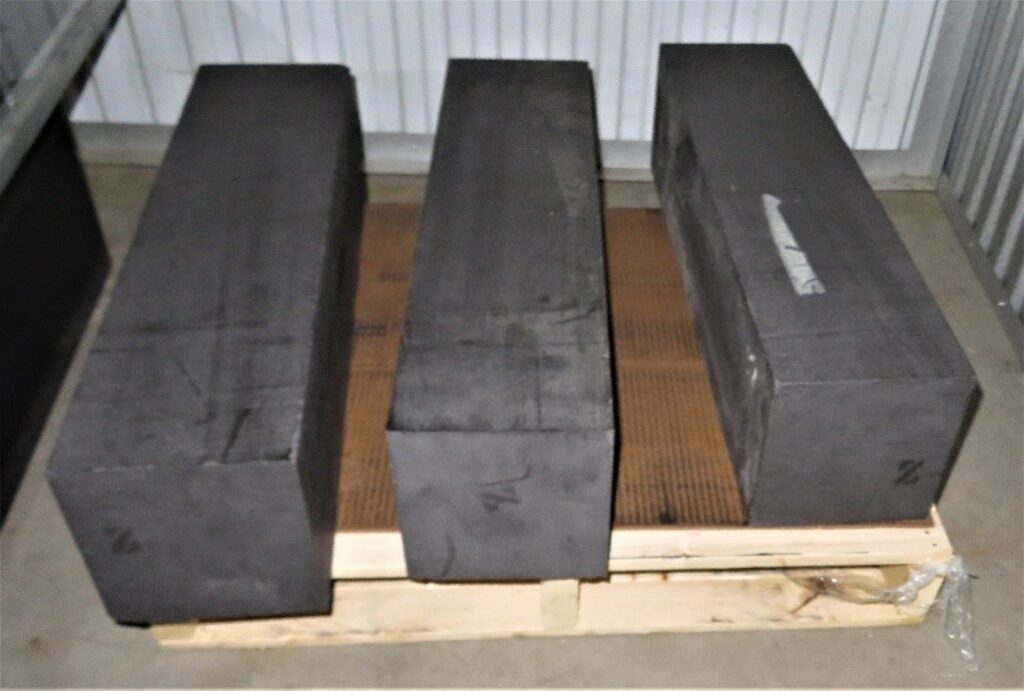
Over the past six years the artifacts collection of the Canadian Nuclear Heritage Museum (CNHM)...
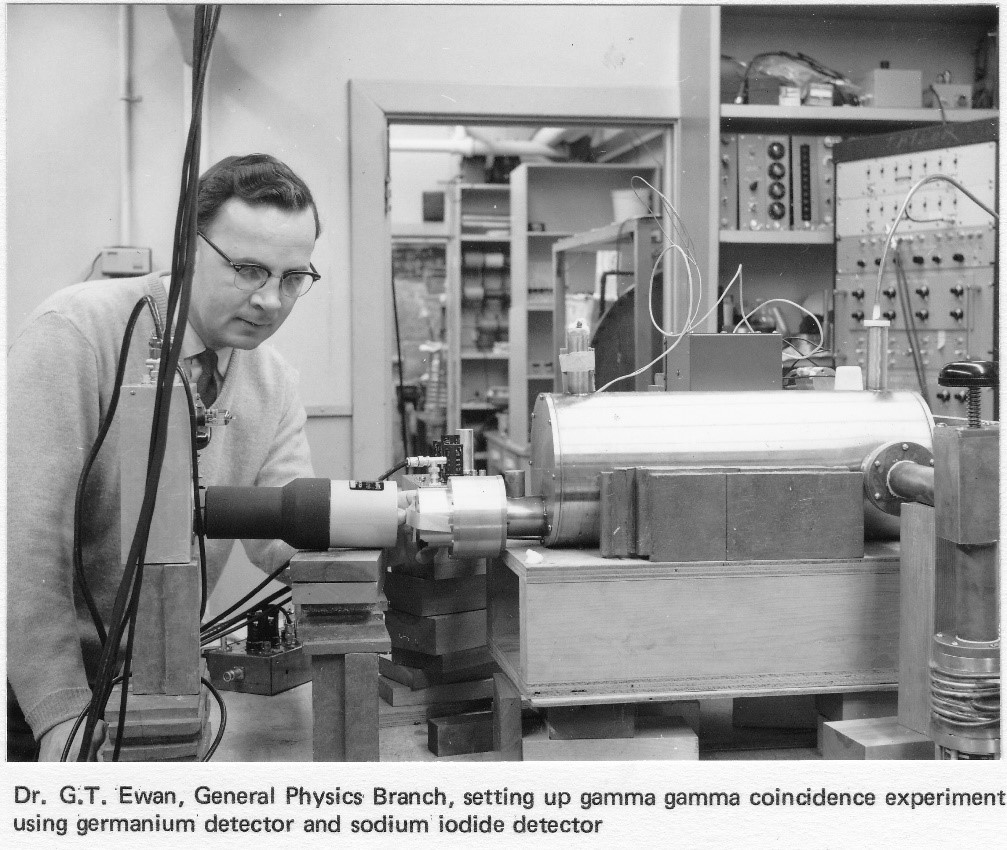
The “reactor era”, which started in 1942, introduced the world of nuclear spectroscopy to...
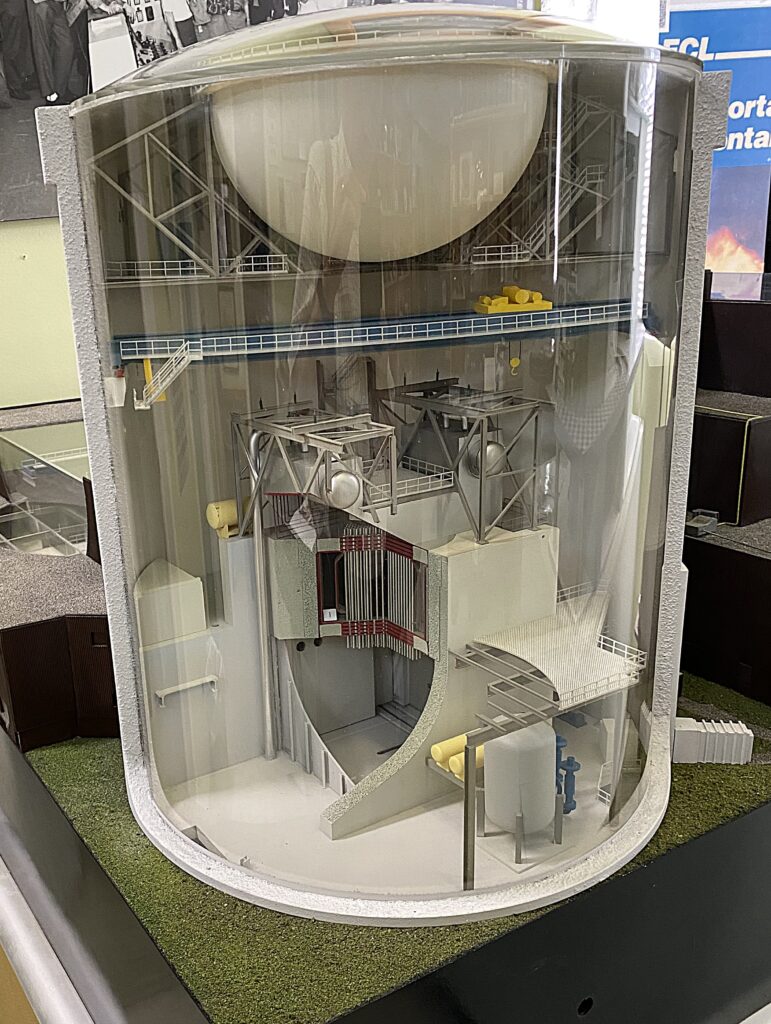
The Nuclear Power Demonstration (NPD) reactor at Rolphton, ON, was Canada’s first venture into electricity...
George Laurence of the National Research Council (NRC) in Ottawa was one of the first...
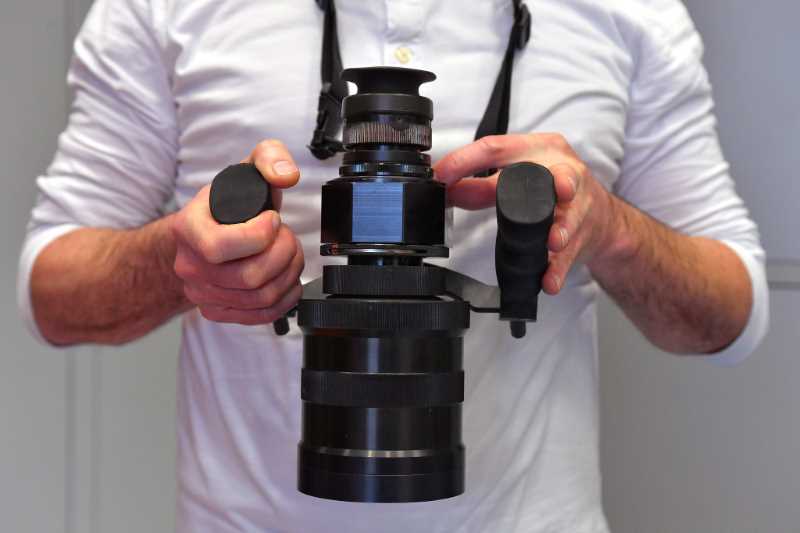
You know that eerie blue glow, indicating highly radioactive material? It’s called Cherenkov light, and...
It began with a label on one of our nuclear heritage artifacts, a traditional Gurkha...
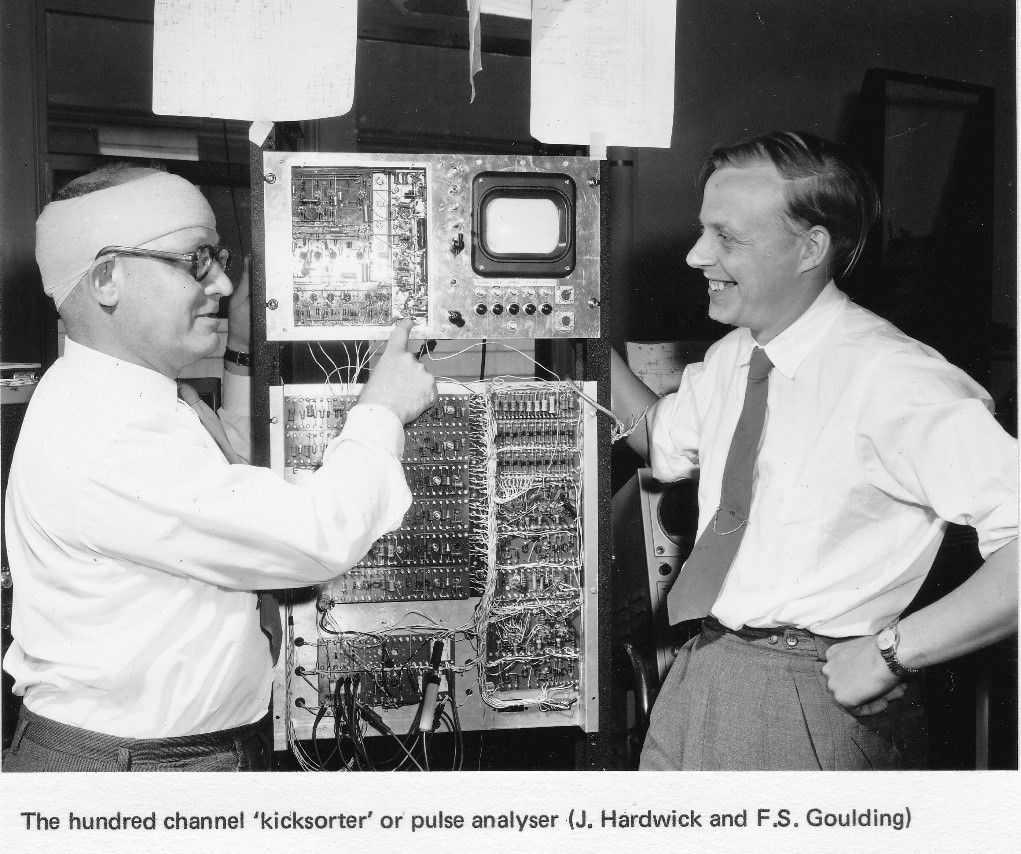
In 1957 Chalk River Nuclear Laboratories (CRNL) acquired its first “electronic” computer. Known as the...